
This post contains affiliate links. I may earn a small commission if you buy through them, at no extra cost to you.
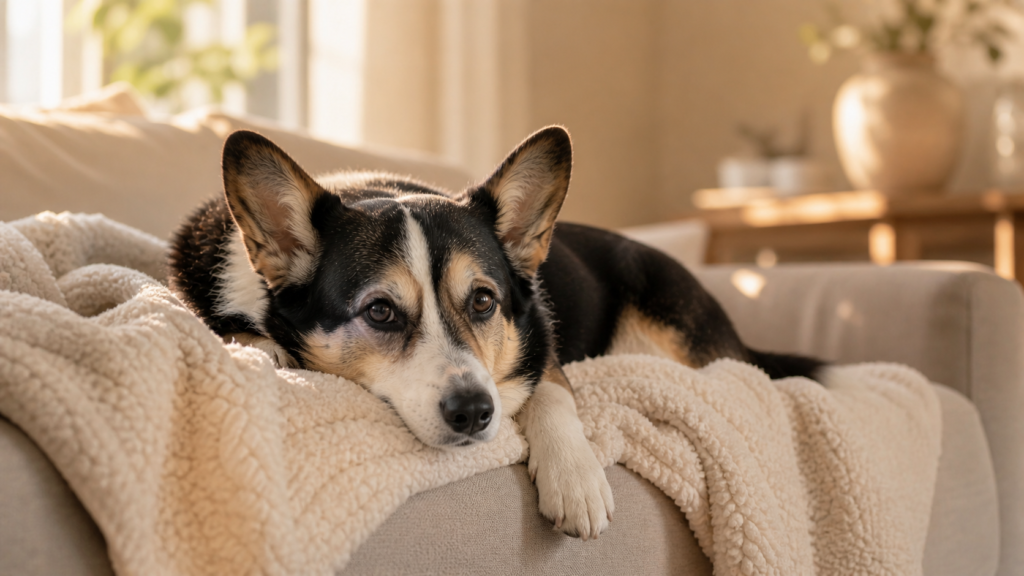
There’s something special about a senior dog. The frantic puppy energy has settled into something quieter and deeper — they know you, they trust you, and they’ve earned every grey hair on that muzzle. But senior dogs also need a different kind of care than they did at two or five years old.
If your dog is approaching or past the seven-year mark, some changes are coming — or may already be underway. This guide covers what to expect, what to adjust, and how to give your aging dog the best possible quality of life in their golden years.
When Is a Dog Considered Senior?
The old “1 dog year = 7 human years” rule is a rough approximation at best. The reality is more nuanced and depends heavily on size:
| Dog Size | Senior Age |
|---|---|
| Small breeds (under 20 lbs) | Around 10–12 years |
| Medium breeds (20–50 lbs) | Around 8–9 years |
| Large breeds (50–90 lbs) | Around 7–8 years |
| Giant breeds (90+ lbs) | Around 5–6 years |
Larger dogs age faster because their bodies work harder. A Great Dane at six is genuinely senior; a Chihuahua at six is still middle-aged.
For mixed breeds, use the size as your guide. If you’re unsure, your vet can assess biological age through bloodwork, joint health, and organ function.
Physical Changes to Expect After Age 7
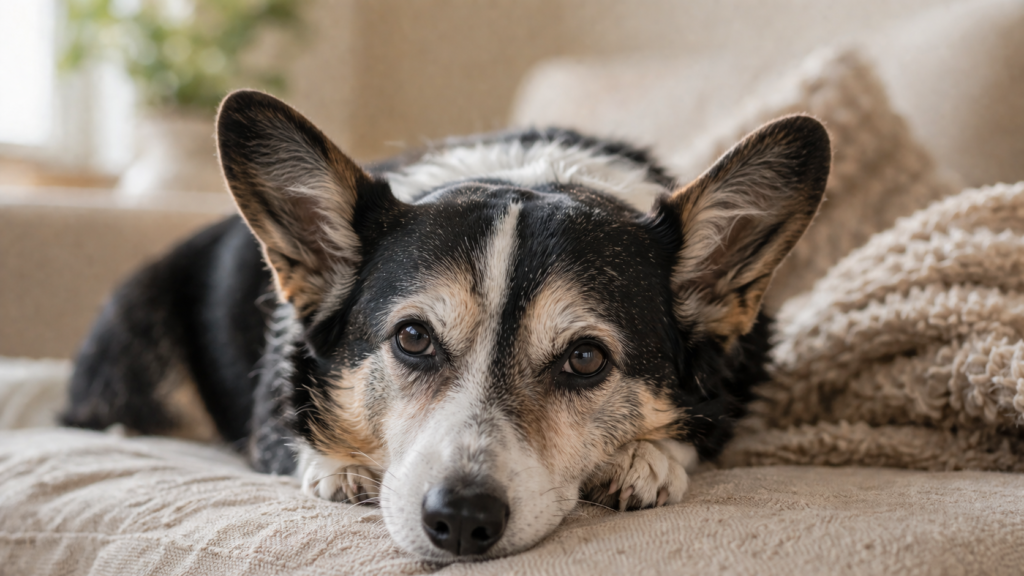
Aging in dogs is gradual, but knowing what’s normal helps you spot what isn’t. Here’s what typically changes:
Coat and skin: The muzzle greys first — usually around the eyes and chin. Coat may become duller or coarser. Skin can become thinner and less elastic, making older dogs more sensitive to temperature.
Energy and sleep: Senior dogs sleep more — often 14–18 hours a day. They tire more quickly on walks and may need longer recovery after exercise. This is normal, not laziness.
Mobility: You’ll likely notice stiffness when getting up, reluctance to use stairs, or hesitation before jumping. Joint deterioration (osteoarthritis) affects the majority of dogs over age seven to some degree — often silently before it becomes obvious.
Senses: Hearing and vision often decline. A dog that stops responding to commands may not be ignoring you — they may genuinely not hear you. Cataracts (cloudy eyes) are common in older dogs and develop gradually.
Weight shifts: Many senior dogs gain weight as their metabolism slows and exercise decreases. Others lose weight and muscle mass (sarcopenia) — particularly in large breeds. Both directions require attention.
Digestion: The digestive system slows with age. Some dogs develop increased sensitivity to certain foods, more gas, or less efficient nutrient absorption.
How Senior Dog Nutrition Changes
What worked at age three may not be optimal at age nine. Senior dogs have different nutritional needs:
Lower calories, higher quality. A less active senior dog needs fewer calories to avoid weight gain — but the calories they do consume should be nutrient-dense. This isn’t the time to cut corners on food quality.
More protein, not less. There’s a persistent myth that senior dogs need lower protein to protect their kidneys. For healthy senior dogs with no kidney disease, the opposite is true — adequate protein helps maintain muscle mass. Talk to your vet before reducing protein.
Joint-supporting nutrients. Look for food that includes omega-3 fatty acids (EPA and DHA), glucosamine, and chondroitin — these support joint health from the inside.
Easier to digest. Some seniors do better on food with higher digestibility — look for named protein sources (chicken, salmon, beef) as the first ingredient, and fewer fillers.
Hydration matters more. Senior dogs are more prone to dehydration and kidney issues. If your dog is on dry kibble, consider adding warm water or low-sodium broth to encourage drinking.
A daily multivitamin designed for seniors can fill nutritional gaps, especially if your dog is a picky eater or on a home-cooked diet. Zesty Paws Senior Advanced Multivitamin covers joint support, immune function, and digestive health in one soft chew — convenient and well-tolerated by most dogs.
For budget-friendly homemade food options: Cheap Homemade Dog Food: How to Feed Your Dog on a Budget
Joint Health and Mobility
Joint deterioration is the most common quality-of-life issue in senior dogs — and it’s one of the most manageable.
Signs your dog’s joints need attention:
- Reluctance to climb stairs or jump into the car
- Stiffness after rest, especially in cold weather
- Slower pace on walks, lagging behind
- Licking or chewing at specific joints
- Visible difficulty getting up or lying down
What helps:
Glucosamine and chondroitin are the foundation of joint supplementation. They support cartilage repair and reduce inflammation in the joint. Nutramax Cosequin DS for Senior Dogs is the most clinically studied joint supplement on the market and the one most frequently recommended by vets — available in chewable tablets dogs actually eat willingly.
Omega-3 fatty acids (specifically EPA and DHA from fish oil) have strong anti-inflammatory effects on joints. If your senior dog’s food doesn’t include them, a fish oil supplement is worth adding.
Orthopedic bedding. Memory foam or orthopedic dog beds make a real difference for dogs with joint pain. Hard floors are particularly rough on arthritic joints — make sure your senior always has soft, supportive resting options.
Ramps and steps. If your dog sleeps on the bed or rides in the car, a dog ramp or pet stairs removes the impact of jumping — protecting already compromised joints.
Controlled, consistent exercise (more on this below) maintains muscle mass around joints, which is one of the best things you can do for long-term joint health.
Senior Dog Exercise: Less Isn’t Always Better
The instinct when a dog slows down is to reduce their exercise. But too little movement accelerates muscle loss and joint stiffness — the opposite of what you want.
The goal for senior dogs is consistent, moderate, low-impact exercise — not no exercise.
What works well:
- Shorter, more frequent walks — two or three 15–20 minute walks beats one long 60-minute trek that leaves them stiff the next day
- Swimming — if you have access to it, swimming is the best exercise for arthritic dogs. Zero joint impact, full body workout
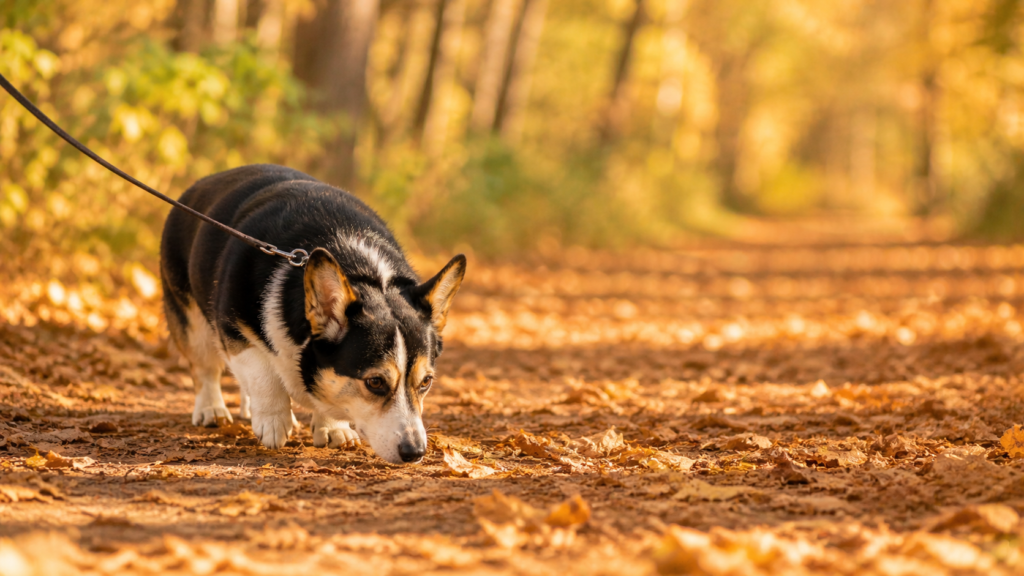
- Sniff walks — let your senior dog set the pace and sniff as much as they want. Sniffing is mentally stimulating and physically gentle
- Gentle play — brief, low-impact play sessions rather than fetch marathons
What to avoid:
- Forced exercise when they’re stiff or reluctant
- High-impact activities like jumping, sharp turns, or long runs on hard surfaces
- Exercising in extreme heat — senior dogs regulate temperature less efficiently
Watch your dog’s cues. A senior who’s had enough will slow down, sit, or turn toward home. Respect it.
Mental Stimulation for Aging Dogs
Physical ability declines — cognitive ability doesn’t have to. Keeping an older dog mentally active is one of the most important (and most overlooked) parts of senior dog care.
Cognitive Dysfunction Syndrome (CDS) — essentially dog dementia — affects a significant portion of dogs over ten. While it can’t always be prevented, mental enrichment slows cognitive decline significantly.
Simple senior-friendly enrichment:
- Food puzzles and slow feeders — swap the regular bowl for a puzzle feeder at mealtimes. Even mild mental effort maintains cognitive function.
- Nose work — hide kibble or small treats around the house or garden and let them hunt. Sniffing engages the brain deeply and is low-impact physically.
- KONG stuffed with soft food — a KONG Classic stuffed with wet food or plain yogurt (no freezing needed for senior dogs with dental sensitivity) keeps them occupied and mentally engaged.
- New gentle experiences — a new sniff spot, a car ride to somewhere calm, meeting a familiar friend. Novel, low-stress experiences keep the brain active.
More ideas: 12 Easy Enrichment Ideas That Actually Calm Your Dog
Common Health Issues in Senior Dogs
Knowing what to watch for means you catch things early — when treatment is most effective.
Arthritis — already covered above. Very common; very manageable with the right support.
Dental disease — by age seven, most dogs have some degree of dental disease. Left untreated, it causes chronic pain and can affect heart and kidney health. Annual professional cleanings and regular dental chews help significantly.
Kidney disease — the kidneys are often the first organ to show age-related decline. Signs include increased thirst, increased urination, and weight loss. Bloodwork catches early kidney changes before symptoms appear — which is why senior wellness panels matter.
Hypothyroidism — more common in middle-aged to senior dogs, particularly certain breeds (Goldens, Labs, Dobermans). Signs include weight gain, lethargy, and coat changes. Easily managed with daily medication once diagnosed.
Lumps and bumps — older dogs develop more skin growths. Most are benign lipomas (fatty tumors), but any new lump should be checked by a vet. Appearance alone can’t distinguish benign from malignant.
Cancer — unfortunately more common in older dogs. Early detection through regular vet exams dramatically improves outcomes. Know your dog’s body — regular hands-on checks at home can help you find new lumps early.
Cognitive Dysfunction Syndrome (CDS) — signs include disorientation, altered sleep cycles (awake at night, sleeping during the day), forgetting house training, reduced interaction. If you notice these, speak to your vet — there are medications and supplements that slow progression.
Vet Care for Senior Dogs
If your adult dog visited the vet once a year, your senior dog should go twice. A lot can change in six months for an older dog.
What a senior wellness visit includes:
- Physical exam (weight, eyes, ears, teeth, lymph nodes, organ palpation)
- Bloodwork panel — kidney and liver function, thyroid, blood cell counts
- Urinalysis — early kidney and bladder disease detection
- Blood pressure check — hypertension is common and often silent in senior dogs
- Discussion of any behavioral or mobility changes you’ve noticed
Come prepared with notes: changes in drinking or urination, appetite shifts, new stiffness, behavioral changes, sleep pattern changes. You observe your dog every day — your observations are valuable clinical data.
For a complete home health tracking routine: The Ultimate Dog Health Care Checklist
Final Thoughts
Aging is inevitable. Suffering doesn’t have to be.
The dogs that age most gracefully are the ones whose owners pay attention — catching joint stiffness early, adjusting exercise before it becomes a problem, keeping vet appointments even when nothing seems wrong. It’s not dramatic, heroic care. It’s steady, attentive care over time.
Your senior dog has given you years of loyalty. The golden years are your chance to give that back — with a little extra patience, a well-timed vet visit, and a really good orthopedic bed.
Related: 10 Simple Daily Habits That Keep Dogs Happy and Balanced
🧰 Products Mentioned in This Article
| Product | Why It Helps | Link |
|---|---|---|
| Zesty Paws Senior Multivitamin | All-in-one senior supplement — joints, immunity, digestion | View on Amazon |
| Nutramax Cosequin Senior DS | Daily joint supplement for stiffness in older dogs | View on Amazon |
| KONG Classic | Gentle enrichment for senior dogs — stuff with soft food | View on Amazon |