
This post contains affiliate links. I may earn a small commission if you buy through them, at no extra cost to you.
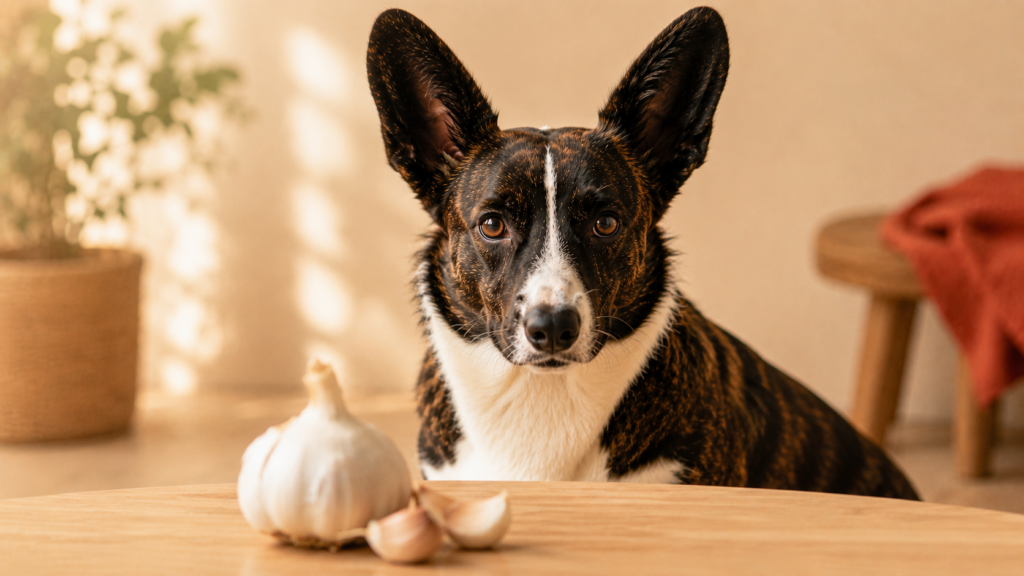
⚠️ No, dogs cannot eat garlic. Garlic is toxic to dogs — more toxic per gram than onions. Even small amounts can damage red blood cells and cause life-threatening anemia. All forms are dangerous: raw, cooked, dried, and powdered. There is no safe amount.
Introduction
Garlic is in almost everything we cook. It’s in the pasta sauce, the roast chicken, the leftover soup. And there’s a persistent myth going around that garlic is actually good for dogs — some people swear it repels fleas, others say it boosts the immune system.
I checked this with our vet and looked at the actual research. The verdict: garlic is one of the most toxic foods for dogs, and the flea-repellent claim is not supported by any reliable evidence. It’s a myth that puts dogs at real risk.
Here’s the truth about garlic and dogs.
Is Garlic Safe for Dogs?
No — garlic is toxic to dogs. It belongs to the Allium family alongside onions, leeks, and chives, all of which are harmful to dogs. But garlic is approximately 5 times more toxic per gram than onions, making it one of the most dangerous common foods a dog can ingest.
The toxic compounds in garlic are organosulfoxides — specifically allicin and related compounds. When metabolized in a dog’s body, these compounds damage the red blood cells, causing them to rupture. The result is hemolytic anemia — a condition where the blood can’t carry enough oxygen to the body’s organs.
Does it matter how much they ate?
Yes — but the thresholds are lower than most people expect. Research suggests that as little as 15–30g of garlic per kilogram of body weight can cause toxicity. For a 10 kg dog, that’s just one or two cloves. Smaller dogs are at risk from even less.
Garlic powder is especially dangerous because it’s concentrated — a small sprinkle contains the toxic equivalent of several raw cloves.
Is cooked garlic safe?
No. Cooking does not neutralize the toxic compounds in garlic. Whether it’s roasted, sautéed, boiled, or dehydrated, garlic retains its toxicity. This includes garlic cooked into food — soups, sauces, roasted meats — all unsafe for dogs.
The Garlic-as-Medicine Myth
You may have seen recommendations in natural dog health communities suggesting garlic in small amounts repels fleas, boosts immunity, or supports heart health. These claims circulate widely but are not supported by veterinary research.
The ASPCA, the American Kennel Club, and veterinary toxicology sources consistently classify garlic as toxic to dogs. No credible veterinary organization recommends garlic for dogs in any quantity.
Giving your dog garlic to repel fleas is especially concerning because:
- There is no peer-reviewed evidence it works
- Regular small doses can accumulate to toxic levels over time
- Chronic low-level exposure causes gradual red blood cell damage that may not be obvious until the dog is seriously ill
If you’re looking for natural flea prevention, talk to your vet about safe options. Garlic is not one of them.
Symptoms of Garlic Toxicity in Dogs
Symptoms can appear within hours or be delayed up to a week for chronic exposure. The timeline depends on how much was consumed and over what period.
Signs to watch for:
- Lethargy and weakness — sudden drop in energy
- Pale, white, or yellowish gums (key indicator of anemia)
- Loss of appetite
- Vomiting and diarrhea — often early signs
- Increased heart rate and rapid, labored breathing
- Red or brown-tinged urine (from destroyed red blood cells)
- Fainting or collapse in severe cases
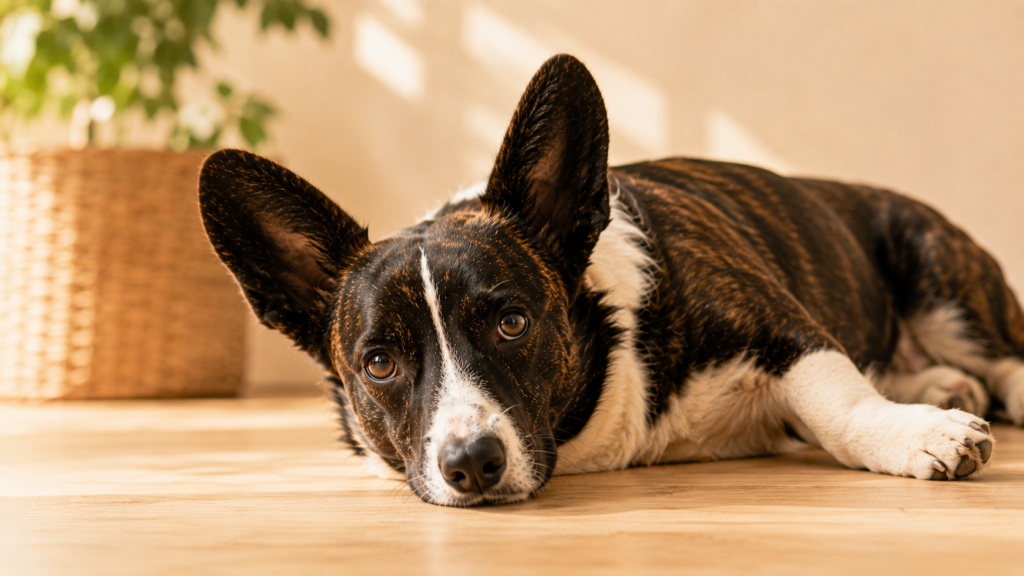
Pale gums plus extreme lethargy = veterinary emergency. Don’t wait to see if symptoms improve on their own.
What to Do If Your Dog Ate Garlic
Step 1: Estimate the amount.
A small accidental exposure (a lick of garlic bread) carries different risk than eating several cloves. Tell your vet as specifically as you can.
Step 2: Call your vet or a poison hotline immediately.
Don’t wait for symptoms. By the time visible anemia appears, significant cell damage has already occurred.
- Your vet or emergency animal hospital
- ASPCA Animal Poison Control: 1-888-426-4435
- Pet Poison Helpline: 1-855-764-7661
Step 3: Don’t induce vomiting without vet guidance.
Your vet will advise based on timing and amount consumed.
Step 4: Watch for 72 hours.
Symptoms of hemolytic anemia can be delayed. Keep monitoring even if your dog seems fine.
Having a dog first aid kit on hand is useful during the monitoring period and for handling any secondary symptoms that arise. The ARCA PET Dog First Aid Kit is what we keep at home for situations like this.
Common Foods That Contain Hidden Garlic
These are everyday foods that frequently contain garlic and should never be shared with dogs:
- Pasta sauces and pizza — almost always contain garlic
- Soups, stocks, and broths — garlic is a standard ingredient
- Seasoned or marinated meat — garlic is one of the most common marinade ingredients
- Garlic bread — obvious, but worth stating
- Baby food — some savory varieties contain garlic powder
- Flavored crackers and chips — check ingredient lists
- Restaurant leftovers — almost any savory dish could contain garlic
If you’re sharing cooked food with your dog, stick to plain, unseasoned portions separated before garlic is added.
Safe Flavor Alternatives
If you want to add flavor variety to your dog’s treats:
- Plain cooked chicken or turkey — naturally flavorful without any allium risk
- Plain pumpkin — dogs often love the taste and it’s good for digestion
- Carrots — sweet, crunchy, naturally appealing
- Plain peanut butter (xylitol-free) — high flavor payoff with no toxicity risk
The Bottom Line
Garlic is one of the most toxic common foods for dogs — more dangerous than onions, and dangerous in every form. The folk remedy claims are not supported by evidence. There is no safe amount to give your dog.
If your dog ate garlic, call your vet immediately — don’t wait for symptoms. For a complete list of safe and unsafe human foods, see our Foods Dogs Can and Can’t Eat guide.
Frequently Asked Questions
Q: Is a small amount of garlic okay for dogs?
A: No. Even small amounts can cause harm, and repeated small exposures accumulate. There is no established safe threshold. Veterinary guidance is unanimous: avoid garlic entirely.
Q: Can garlic repel fleas in dogs?
A: This claim is not supported by veterinary research. No peer-reviewed study has demonstrated garlic’s effectiveness as a flea repellent in dogs. The risk of toxicity outweighs any potential benefit.
Q: My dog ate garlic bread. What should I do?
A: A small nibble from garlic bread is lower risk than eating raw garlic, but still warrants a call to your vet or ASPCA Poison Control to assess the situation based on your dog’s size and how much was consumed.
Q: Is garlic in commercial dog food safe?
A: No reputable commercial dog food contains garlic. If you see it listed as an ingredient, do not use that product. Some low-quality or homemade supplement recipes include garlic — this is not safe.
Q: Can dogs eat garlic powder?
A: No — garlic powder is more concentrated than raw garlic and therefore more toxic per unit weight. Even a small sprinkle on food can be dangerous.
Q: How is garlic toxicity treated?
A: Depending on timing, a vet may induce vomiting, administer activated charcoal to reduce absorption, or provide IV fluids and supportive care. In severe cases of anemia, a blood transfusion may be needed. Early treatment significantly improves outcomes.