
This post contains affiliate links. I may earn a small commission if you buy through them, at no extra cost to you.
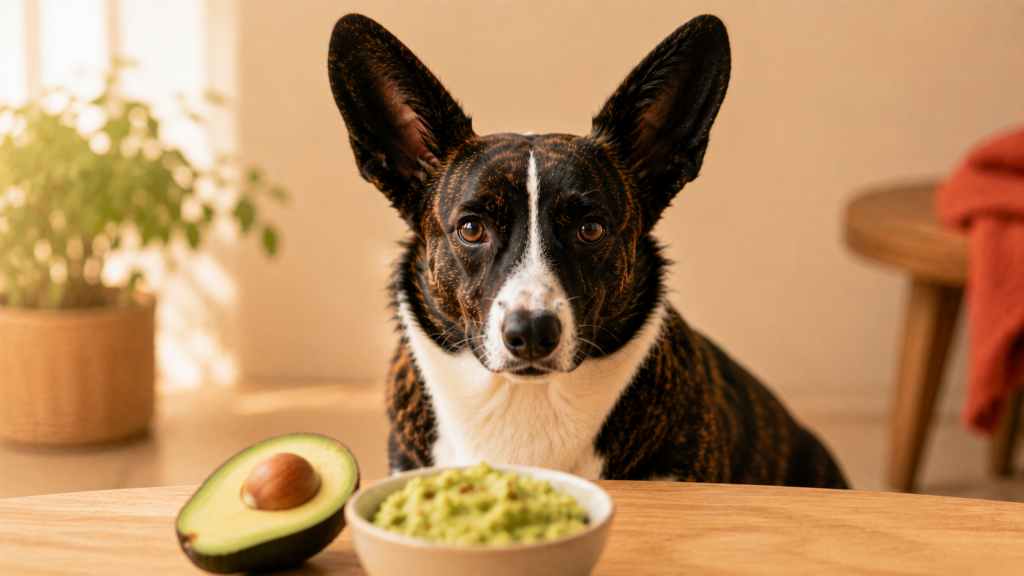
⚠️ No, dogs should not eat avocado. Avocado contains persin — a fungicidal toxin found in the flesh, skin, pit, and leaves — which can cause vomiting, diarrhea, and in larger amounts, fluid accumulation around the heart and lungs. The pit is also a serious choking and obstruction hazard. Guacamole adds garlic and onion to the danger.
Introduction
Avocado toast is everywhere, and Nuggy has definitely tried to investigate mine more than once. Given how much I eat the stuff, I wanted to know exactly where the line is.
The answer, after checking with our vet and reviewing the toxicology: avocado is a no for dogs. It’s not in the same emergency tier as grapes or xylitol, but the risks are real enough that it belongs firmly off the menu. And if your dog is eyeing the guacamole, that’s an even harder no.
Here’s why.
Is Avocado Safe for Dogs?
No — avocado is not safe for dogs, though the degree of danger varies by the part of the fruit and the quantity consumed.
What makes avocado toxic?
Avocado contains persin, a fungicidal toxin found throughout the plant — in the leaves, bark, skin, pit, and to a lesser extent, the flesh. Persin was originally identified as toxic to birds and large mammals. In dogs, it primarily causes:
- Vomiting and diarrhea
- Fluid accumulation around the lungs (pleural effusion) or heart (pericardial effusion) in larger amounts — a serious condition that impairs breathing and circulation
The flesh of a ripe avocado contains the lowest concentration of persin compared to the other parts, which has led some sources to suggest it’s “probably fine” in small amounts. This is technically debated among veterinarians — some consider small amounts of avocado flesh low-risk, others advise avoidance entirely.
Our position, and what our vet advised: with no nutritional benefit that can’t be provided by safer foods, and a real — if dose-dependent — toxicity risk, there’s no reason to include avocado in your dog’s diet. The upside is zero; the risk is non-zero.
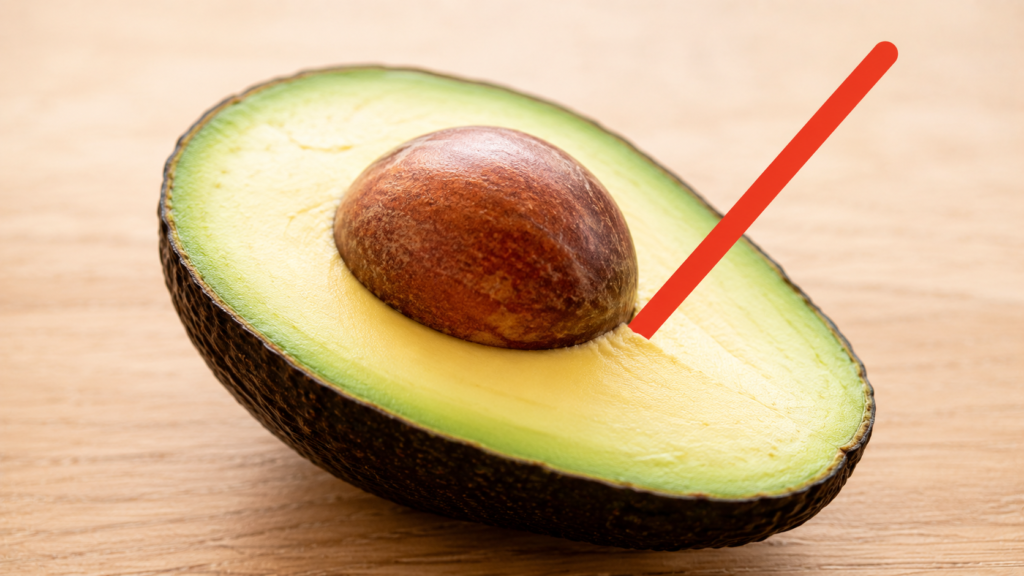
The Bigger Danger: The Pit
Beyond persin, the avocado pit presents a separate and more immediate physical danger.
Choking hazard — The pit is large, hard, and smooth, making it easy for a dog to swallow but nearly impossible to pass safely.
Intestinal obstruction — If swallowed, the pit can lodge in the esophagus, stomach, or intestine, causing a life-threatening blockage. This requires emergency surgery to resolve.
If your dog ate or is chewing on an avocado pit, treat it as an emergency and call your vet immediately — even before symptoms appear.
Why Guacamole Is Double the Danger
If avocado flesh alone is a borderline concern, guacamole is not borderline at all — it’s a hard no.
Standard guacamole contains:
- Avocado — persin risk
- Garlic — one of the most toxic foods for dogs (causes hemolytic anemia)
- Onion — toxic to dogs for the same reason as garlic
- Lime juice — citrus, which can irritate a dog’s stomach
Any dog that gets into guacamole has been exposed to at least three toxic ingredients simultaneously. Call your vet immediately.
Symptoms of Avocado Toxicity in Dogs
From persin (flesh, skin, leaves):
- Vomiting and diarrhea — usually appears within a few hours
- Lethargy and loss of appetite
- Difficulty breathing — if fluid is accumulating around the lungs or heart (more serious cases)
- Swollen, fluid-filled abdomen — rare but serious sign of fluid accumulation
From the pit (obstruction):
- Gagging and retching
- Drooling excessively
- Distended or painful abdomen
- Inability to eat or drink
- Repeated vomiting without producing anything
Difficulty breathing or a distended abdomen are emergency warning signs — go to the vet immediately.
What to Do If Your Dog Ate Avocado
Small amount of flesh only (no pit):
Call your vet to describe what happened and get guidance. Monitor closely for vomiting, lethargy, or breathing changes over the next 24 hours.
Skin, leaves, or a significant amount of flesh:
Call your vet or ASPCA Poison Control (1-888-426-4435) immediately. More persin = more risk of serious symptoms.
Pit — any amount:
Emergency vet visit now. Don’t wait for symptoms of obstruction to appear. X-ray will be needed to confirm whether the pit passed or is lodged.
Guacamole:
Emergency call immediately. Multiple toxins involved (garlic, onion, avocado). Tell your vet exactly what the guacamole contained.
Keep a dog first aid kit at home — the ARCA PET Dog First Aid Kit is useful for the monitoring phase while you’re getting to the vet or waiting for a callback.
Safe Alternatives to Avocado
If you want to give your dog something healthy, creamy, or nutritious:
- Plain pumpkin puree — great for digestion, dogs love the flavor, no toxicity risk
- Plain cooked sweet potato — nutritious, naturally sweet, safe
- Plain cottage cheese — creamy texture, easy to digest
- Banana — soft, naturally sweet, easy to mash as a Kong filler
None of these carry the risks associated with avocado, and all can scratch the same “creamy healthy treat” itch.
The Bottom Line
Avocado is a no for dogs — not because it’ll drop them in minutes like xylitol or raisins, but because the persin content creates a real if dose-dependent risk of vomiting, digestive distress, and in larger amounts, dangerous fluid buildup. The pit is a separate and serious hazard.
More practically: there’s nothing in avocado that your dog needs and can’t get from a safer food. There’s no reason to include it.
Guacamole is a hard no regardless of portion size, given the garlic and onion content.
For the complete guide to what dogs can and can’t eat, see our Foods Dogs Can and Can’t Eat guide.
Frequently Asked Questions
Q: Can dogs eat a little bit of avocado?
A: A small piece of ripe flesh is considered low-risk by some vets, but the consensus advice is to avoid it entirely. There’s no nutritional benefit worth the risk, and there are plenty of safer alternatives.
Q: Can dogs eat avocado oil?
A: Avocado oil is processed and typically contains negligible persin — it’s generally considered safe in very small amounts. That said, it’s high in fat and adds calories without clear benefit. Use sparingly if at all.
Q: My dog ate a bite of my avocado toast. Should I be worried?
A: A single bite of avocado flesh (no pit, no skin) is low-risk for a medium or large dog. Monitor for vomiting or lethargy. If symptoms appear or if you’re unsure about how much was eaten, call your vet.
Q: Why do some dog food brands include avocado?
A: Some commercial pet foods include avocado oil (not flesh or pit) in tiny amounts for its fatty acid profile. This is very different from a dog eating avocado flesh or guacamole. If you see “avocado oil” on a dog food label, this is not a concern.
Q: Can dogs eat guacamole?
A: No — guacamole contains avocado, garlic, and onion, all of which are harmful to dogs. Even a small amount of guacamole is a reason to call your vet.
Q: Is avocado toxic to all dogs or just some?
A: The persin in avocado affects most dogs, though individual sensitivity varies. The pit danger (choking/obstruction) applies to all dogs regardless of size or sensitivity.