
Taking good care of your dog’s health doesn’t have to be complicated.
In fact, most long-term health issues start with small, everyday habits—not emergencies.
This guide focuses on simple, realistic dog health tips you can actually maintain.
No extremes. No fear tactics. Calm, evidence-based care that supports your dog’s body over time.
Whether you’re a new dog owner or simply want to do better by your dog, this article breaks down daily care, food safety, and gentle home remedies—all in one place.
Why Daily Dog Health Habits Matter More Than Occasional Vet Visits
Vet care is essential.
But daily routines are what quietly shape your dog’s health trajectory.
Small things—like hydration, movement, food choices, and stress levels—compound over years.
Dogs don’t show discomfort early. They adapt. By the time something is obvious, it’s often been building for a while.
Consistent care prevents problems before they need fixing.
Daily Dog Care Tips That Make the Biggest Difference
You don’t need a complicated schedule. You need repeatable basics.
Prioritize Consistent Hydration
Fresh water should always be available and refreshed daily.
Dogs on dry food, active dogs, and seniors are especially prone to mild dehydration—which affects digestion, joints, and energy.
Tip: If your dog drinks very little, adding water to meals or offering bone broth (unsalted, onion-free) can help.
Support Digestion Through Routine
Dogs thrive on predictability. Feeding at consistent times helps regulate digestion and bowel movements.
Sudden food changes are one of the most common causes of stomach issues.
Always transition food slowly over 7–10 days.
Movement Is Health—Not Just Exercise
Daily walks aren’t only about burning energy.
They support:
- joint mobility
- gut motility
- mental regulation
Even calm, sniff-focused walks reduce stress hormones and support immune health.
Sleep Is a Health Tool
Dogs need 12–14 hours of sleep per day, puppies even more.
Poor sleep affects:
- immune response
- behavior
- recovery
A quiet, predictable sleep space matters more than most owners realize.
Foods Dogs Can Eat (And What to Be Careful With)
Food safety is one of the biggest sources of confusion—and misinformation.
Safe Foods Dogs Can Eat in Moderation
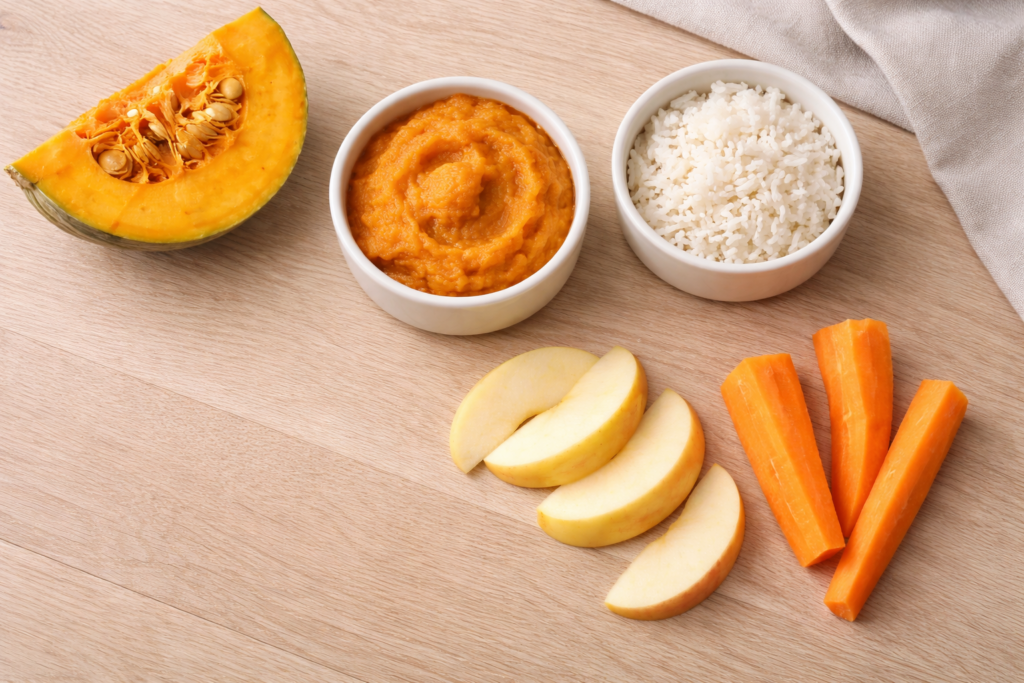
These foods are generally safe when plain and unseasoned:
- cooked carrots
- blueberries
- apples (no seeds)
- plain pumpkin
- plain rice
- cooked sweet potato
These foods support digestion, hydration, and micronutrient intake.
Foods That Are Dangerous for Dogs
Some foods are unsafe even in small amounts:
- onions & garlic
- grapes & raisins
- chocolate
- xylitol (common in sugar-free products)
- alcohol
- cooked bones
Food safety isn’t about being strict—it’s about being informed.
Portion Awareness Matters
Even healthy foods can cause issues in excess.
Dogs don’t regulate calories like humans do.
When in doubt, less is better.
Gentle Home Remedies for Dogs (What’s Safe & What’s Not)
Home remedies should support the body—not override medical care.
When Home Remedies Can Help
Mild issues like:
- occasional digestive upset
- minor skin irritation
- stress-related behaviors
can often be supported naturally.
Examples:
- plain pumpkin for loose stools
- oatmeal baths for itchy skin
- calming routines for stress-related licking
When to Skip Home Remedies
Home remedies are not appropriate for:
- persistent vomiting or diarrhea
- unexplained pain
- sudden behavioral changes
- wounds or infections
If symptoms last more than 24–48 hours, veterinary care is the safest option.
Natural does not mean harmless.
Smart Dog Health Hacks That Actually Work
Not every “dog hack” online is helpful—but some are genuinely useful.
Use Enrichment to Reduce Stress
Mental stimulation reduces destructive behavior and chronic stress, which directly impacts immune health.
Simple options:
- lick mats
- food puzzles
- scatter feeding
Keep Grooming Minimal but Consistent
Over-grooming can irritate skin. Under-grooming causes mats and discomfort.
A simple routine:
- brush weekly
- check ears and paws
- trim nails regularly
Consistency beats perfection.
Watch Behavior, Not Just Symptoms
Behavioral changes often appear before physical symptoms.
Changes in:
- appetite
- sleep
- social interaction
are early signals worth paying attention to.
How to Take Care of Dogs: The Big Picture
Good dog care isn’t about doing everything.
It’s about:
- noticing patterns
- keeping routines steady
- making small adjustments early
Health isn’t built in emergencies.
It’s built quietly, every day.
FAQ
How often should I check my dog’s health at home?
Daily observation is enough—look for changes in behavior, appetite, and energy.
Can dogs eat human food safely?
Some human foods are safe in moderation, but many common foods are toxic to dogs.
Are home remedies safe for dogs?
Some are helpful for mild issues, but they should never replace veterinary care.
What’s the most important daily dog care habit?
Consistent routine—feeding, walking, and sleeping at regular times.
How do I know if my dog is unwell?
Subtle behavior changes often appear before physical symptoms.
Final Thoughts: Calm Care Is Powerful Care
You don’t need to optimize every detail of your dog’s life.
You just need to be consistent, observant, and kind.
The healthiest dogs aren’t owned by perfect people—
they’re owned by people who show up every day.