
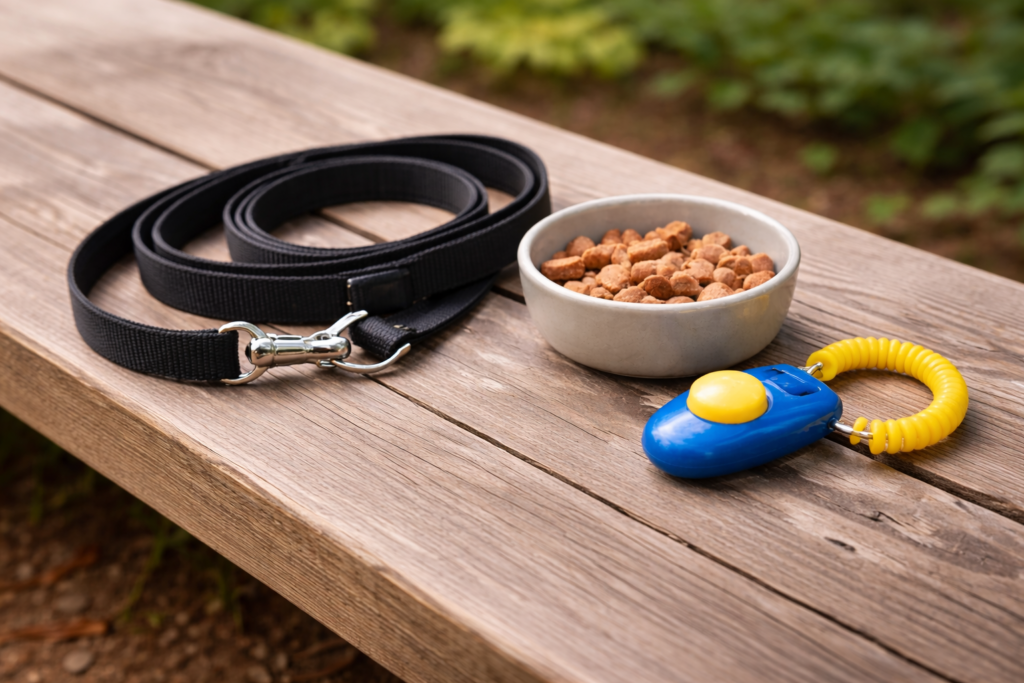
Obedience training doesn’t fail because dogs are stubborn.
It fails because dogs are taught too much, too fast, and without clarity.
If you’ve ever wondered which commands actually matter — and which ones are just noise — this guide is for you. Whether you’re training a puppy, an adult dog, or even starting over with an older dog, mastering basic obedience commands creates the foundation for calm behavior, better communication, and real-life reliability.
This article focuses on what truly matters, not endless command lists.
What Are Obedience Commands (And Why They Matter)
Obedience commands are not tricks.
They are communication tools that help your dog understand what’s expected in everyday situations.
At their core, obedience commands:
- improve safety
- reduce stress and confusion
- build trust between dog and human
- make daily life smoother for everyone
Well-taught obedience isn’t about control or dominance.
It’s about clarity, predictability, and cooperation.
The Essential Dog Commands Every Dog Should Know
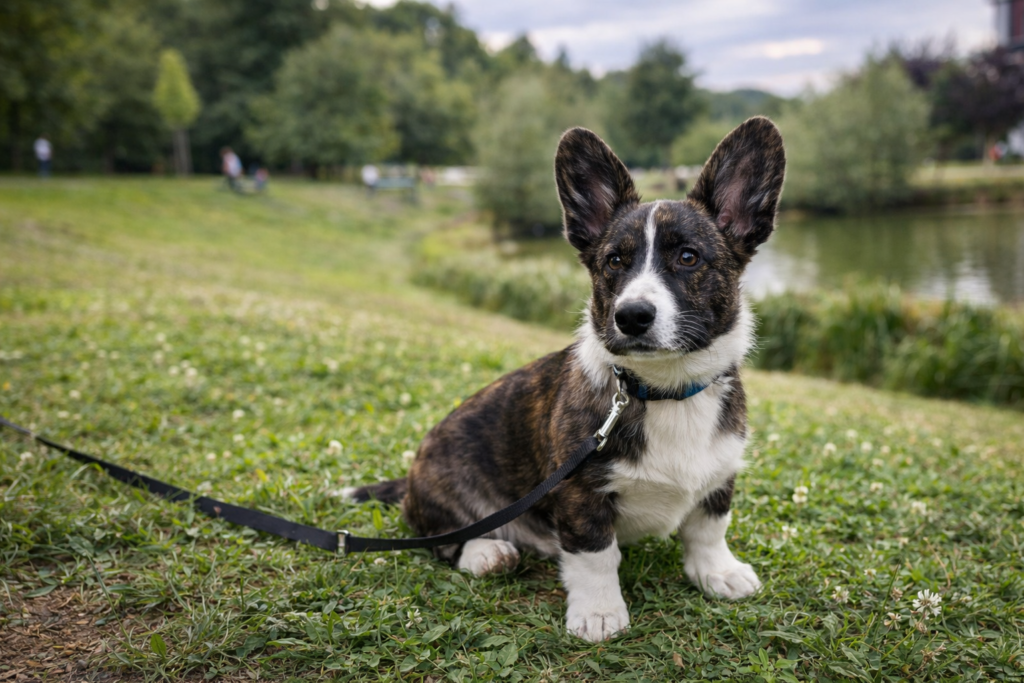
Most dogs don’t need dozens of commands.
They need a small set of reliable, well-understood cues.
Below are the core obedience commands that cover nearly all real-life situations.
Commands That Create Safety
These commands protect your dog from danger and give you control when it truly matters.
- Come – the most important command your dog will ever learn
- Stay – prevents impulsive movement in unsafe situations
- Leave it – stops dogs from grabbing harmful objects or food
A reliable recall and impulse control save lives — literally.
Commands That Create Calm Behavior
These commands help dogs regulate their energy and emotions.
- Sit – the foundation of polite behavior
- Down – encourages relaxation and calmness
- Place / Mat – gives dogs a safe, predictable spot to settle
Calm behaviors don’t come naturally to every dog.
They are taught through structure, not punishment.
Commands That Improve Daily Communication
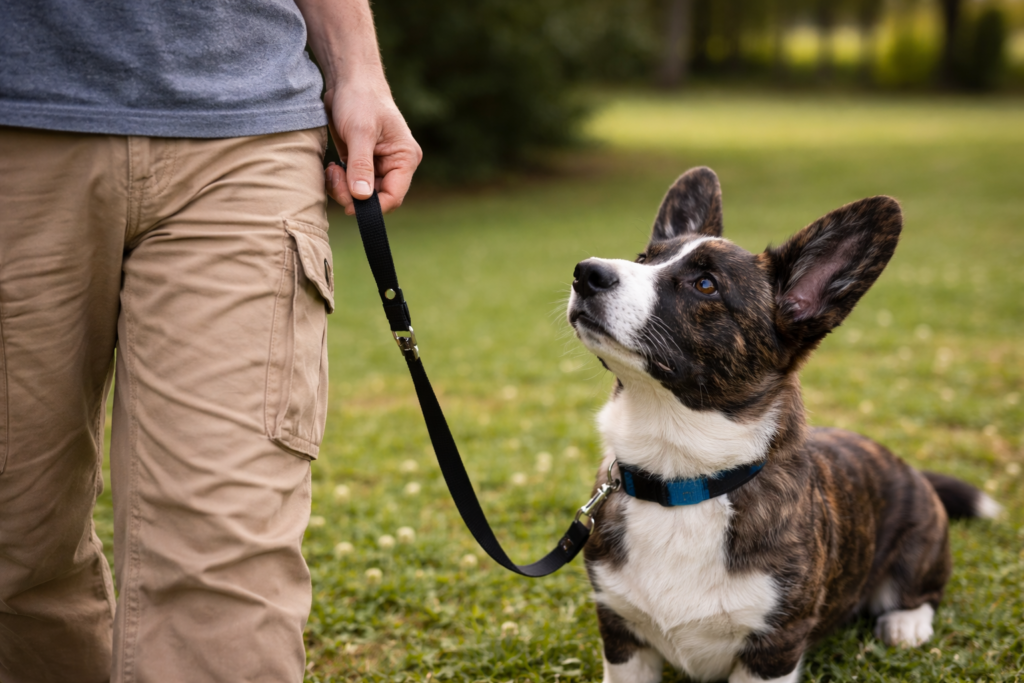
These commands make everyday interactions easier and clearer.
- Heel / Loose leash walking – reduces frustration on walks
- Wait – teaches patience at doors, food bowls, or exits
- Focus / Watch me – builds attention in distracting environments
Clear communication prevents misunderstandings — on both ends of the leash.
Common Mistakes in Basic Obedience Training
Many obedience issues are created unintentionally.
The most common mistakes include:
- teaching too many commands at once
- repeating commands without follow-through
- expecting reliability before understanding is built
- practicing only in low-distraction environments
Obedience grows through consistent reinforcement and realistic expectations, not perfection.
Can Older Dogs Learn Obedience Commands?
Absolutely.
Age is not a limitation in obedience training.
What matters is motivation, patience, and clarity.
Older dogs may:
- learn at a different pace
- have stronger habits to reshape
- benefit from shorter, calmer sessions
But they are fully capable of learning basic obedience commands — often with better focus than young dogs.
How Long Does Obedience Training Really Take?
There’s no universal timeline.
Most dogs:
- learn commands quickly
- master reliability slowly
Initial understanding can happen in weeks.
True obedience — responding calmly in real-world distractions — takes months of consistent practice.
Progress is not linear.
Plateaus are normal. Regression is normal. Persistence matters.
How to Start Obedience Training Without Overwhelming Your Dog
Start simple.
Focus on:
- one command at a time
- short, positive training sessions
- clear markers and rewards
- consistent cues across all family members
Quality always beats quantity.
A dog who understands five commands deeply is more reliable than a dog who knows twenty poorly.
Frequently Asked Questions
What are the most important obedience commands for dogs?
Recall, sit, stay, leave it, and loose leash walking are the most essential.
How many commands should a dog know?
Most dogs thrive with 5–10 well-trained commands.
Is obedience training different for puppies and adult dogs?
The principles are the same; pacing and expectations differ.
Can obedience training work without treats?
Yes, but rewards — food, play, or praise — speed learning and motivation.
When should obedience training start?
As early as possible, but it’s never too late to begin.
Final Thoughts
Basic obedience training is not about turning your dog into a robot.
It’s about creating mutual understanding and trust.
When dogs know what’s expected — and humans communicate clearly — behavior problems often improve naturally.
Obedience is not restriction.
It’s freedom built on clarity.