
Introduction
Bringing home a new puppy is exciting — but even well-meaning owners accidentally create habits that lead to bigger behavior problems later. The good news? Most issues are simple to fix once you understand what’s really going on in your puppy’s world.
This guide breaks down the 10 most common mistakes new puppy parents don’t realize they’re making — plus clear, gentle fixes to help your puppy grow into a calm, confident companion. Perfect for puppies 8–20 weeks.
10 Puppy mistakes
1. Free Roaming Too Early
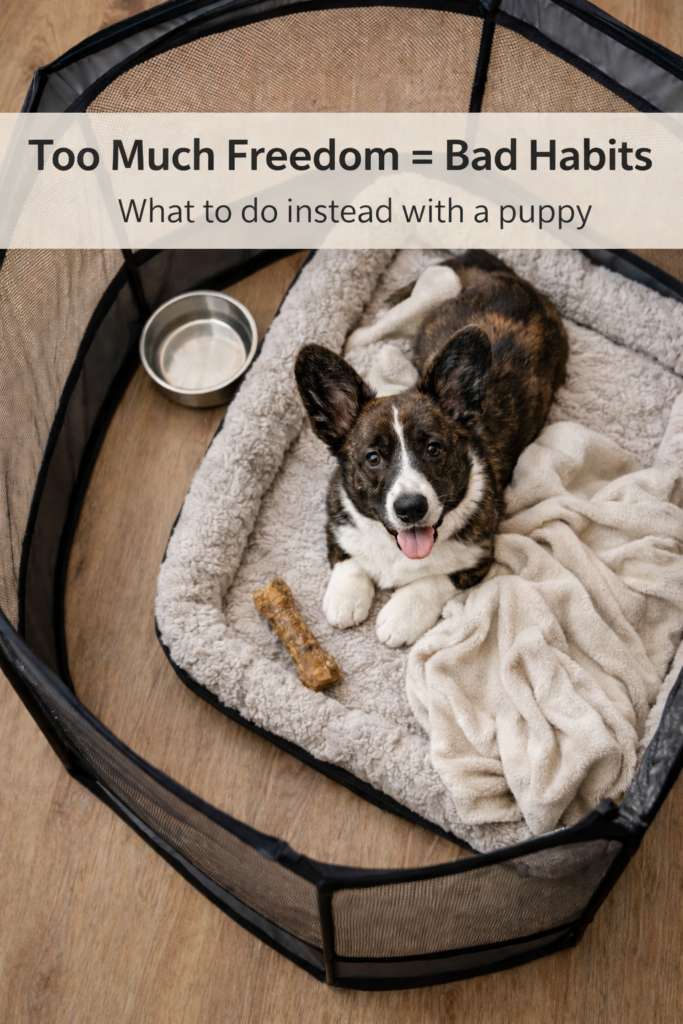
The mistake: Giving a puppy full access to your home from day one.
This leads to accidents, chewing, and overwhelming your dog with too much space.
The fix:
Use gates, doors, or a puppy playpen to control the environment. Freedom is earned gradually after potty breaks, calm behavior, and short supervised sessions.
2. Inconsistent Potty Routine
The mistake: Taking the puppy out “when it seems right” instead of on a clear schedule.
The fix:
Use predictable timing:
- Immediately after waking
- After eating
- After play
- Every 60–90 minutes during the day
Consistency is what teaches puppies where to go — not scolding.
3. Not Rewarding Good Behavior Enough
The mistake: Only reacting when something goes wrong (biting, barking, accidents).
The fix:
Catch your puppy doing anything good — sitting calmly, lying down, self-soothing — and reward that moment. Puppies repeat rewarded behaviors. Keep treat jars in multiple rooms.
4. Overestimating Their Bladder Capacity
The mistake: Expecting a young puppy to “hold it” longer than they can.
Rule of thumb:
Age in months + 1 = maximum hours during the day
(Example: A 2-month-old puppy = 3 hours max)
Nighttime takes longer to develop — and that’s normal.
5. Misusing the Crate or Avoiding It Completely
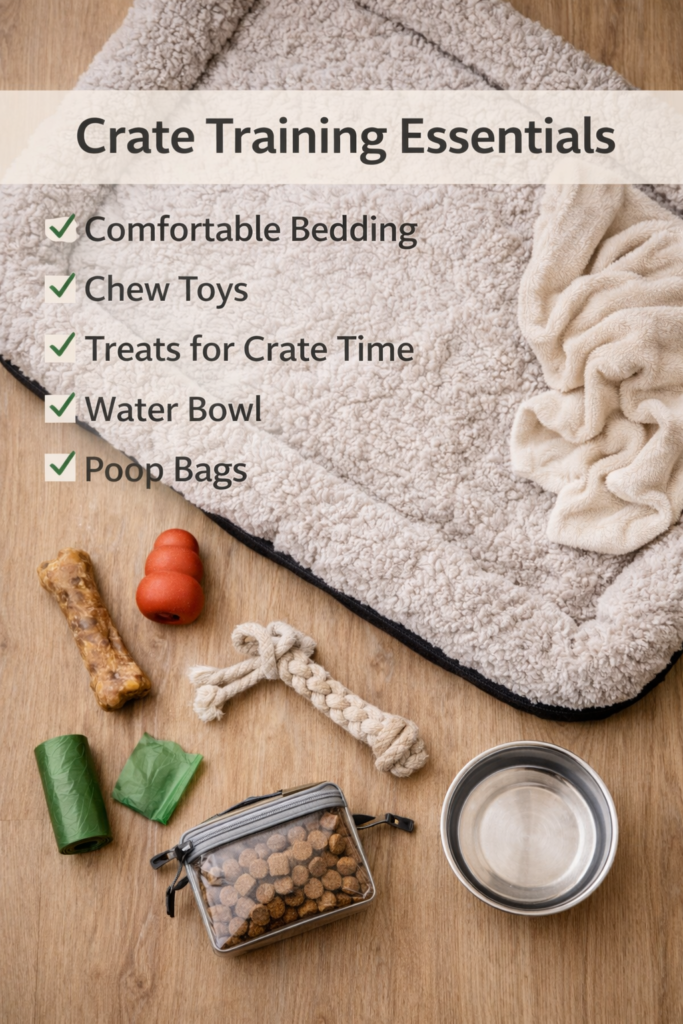
The mistake: Thinking crates are “mean,” or only placing the puppy inside at bedtime.
The fix:
Make the crate a safe, predictable hangout with:
- Soft bedding
- Long-lasting chews
- Short sessions during the day
- Always positive entry with a treat
6. Too Much Excitement Before Bedtime
The mistake: Playing fetch or starting high-energy games late at night.
The fix:
Shift evenings into a calm routine:
- Slow sniffy walk
- Gentle enrichment
- Low-stimulation cuddles
- Lights dimmed 45–60 minutes before bed
This dramatically reduces bedtime whining.
7. Accidentally Rewarding Jumping
The mistake: Giving attention (even eye contact!) when the puppy jumps.
The fix:
Reward “four paws on the floor.”
Teach sit-for-greetings and have treats ready at the door.
Ask visitors to follow the same rule.
8. Ignoring Mental Enrichment
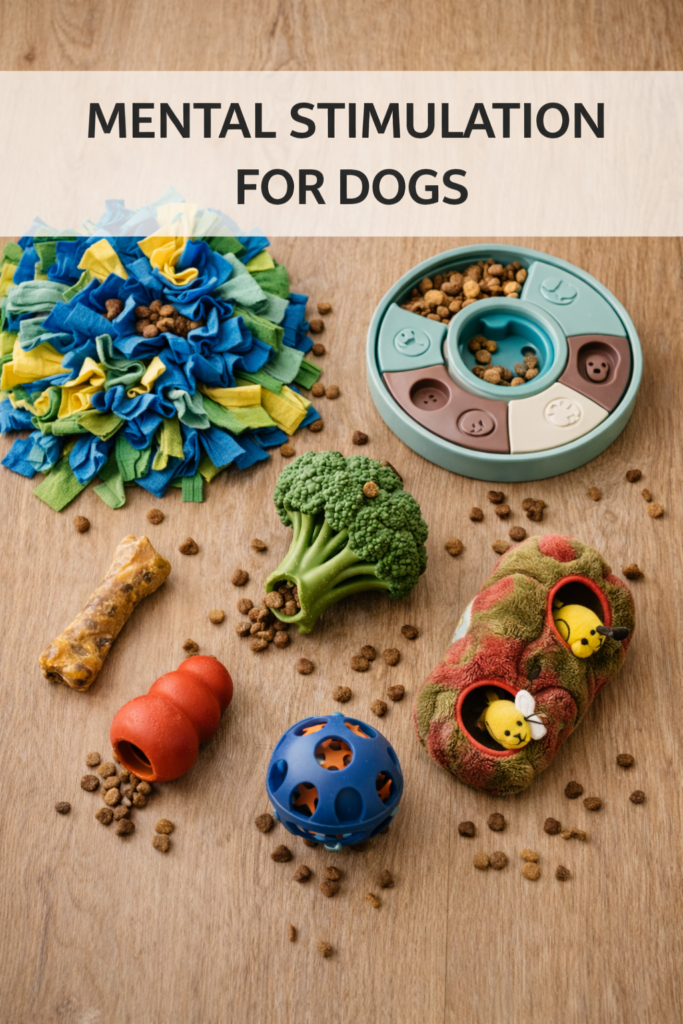
The mistake: Assuming physical exercise is enough to “tire out” a puppy.
The fix:
Add 10–15 minutes a day of enrichment such as:
- Snuffle mats
- Lick mats
- Puzzle feeders
- Frozen Kongs
- Simple DIY scent games
Mental work calms puppies faster than long play sessions.
9. Using “No!” Instead of Teaching What To Do
The mistake: Relying on punishment or corrections.
The fix:
Replace “stop that!” with instructions the puppy can succeed at:
- “Sit”
- “Leave it”
- “Come”
- “Find your toy”
Reward-based training builds confidence and trust — and avoids confusion.
10. Missing the Early Socialization Window
The mistake: Waiting until all vaccines are complete before socializing.
The fix:
Safe socialization can and should start early through:
- New surfaces
- Household noises
- Car rides
- Handling paws, teeth, ears
- Calm adult dogs you trust
- Vet desensitization
- Different people + clothing styles
Puppies who socialize early are more resilient and easier to train later.
Nuggy’s Tips for Raising a Confident Puppy
- Keep training sessions 3–5 minutes.
- Rotate toys daily to keep enrichment fresh.
- Reward calm behavior more than excitable behavior.
- Use a confident, quiet voice during stressful moments.
- Add short “chill breaks” throughout the day.
FAQ
How many hours per day should my puppy sleep?
Most young puppies need 18–20 hours, including multiple naps.
How long should a training session be?
Short and sweet: 3–5 minutes, multiple times a day.
When should crate training start?
Day one — but with tiny, positive intervals.
How do I stop biting during play?
Redirect immediately to a toy and offer long-lasting chews during peak evening biting hours.
What age is the hardest for puppies?
Typically 8–12 weeks and again at 4–6 months due to teething and puppy adolescence.
Final Thoughts
Raising a puppy isn’t about doing everything perfectly — it’s about understanding what your puppy truly needs and guiding them with clarity, patience, and consistency. Most behavior problems don’t come from “bad dogs,” but from small, unintentional mistakes that are easy to fix once you’re aware of them.
By focusing on structure, calm routines, mental enrichment, and positive guidance, you set your puppy up for long-term success. Fewer accidents, less frustration, and a stronger bond come naturally when your puppy feels safe, understood, and supported.
Take it one step at a time. Small changes today create confident, well-adjusted dogs tomorrow — and that’s exactly what every puppy deserves.